Growing Scrutiny Follows Allegations Of Staff Grooming And Sexual CoercionGrowing Scrutiny Follows Allegations Of Staff Grooming And Sexual Coercion

Accounts of grooming raise concerns about oversight and accountability in youth programs

Survivors recount how authority figures allegedly used manipulation and dependency to gain control as a gradual process that often began under the guise of mentorship or discipline. Many say staff members singled them out for extra attention, praise, or privileges, framing the relationship as therapeutic or supportive. Over time, boundaries blurred through personal conversations, private meetings, or rule exceptions that made teens feel both special and dependent. Survivors explain that this grooming was subtle, making it difficult to recognize as abuse while it was happening. The power imbalance between staff and students, combined with isolation from family, left many feeling trapped. When former residents describe grooming and sexual coercion by staff members today, they often say fear of punishment or disbelief kept them silent. Growing awareness surrounding teen sexual abuse lawsuits has led more families to examine how these tactics may have prevented victims from coming forward for years. Civil filings tied to a troubled teen center abuse lawsuit frequently outline similar patterns, suggesting that coercion was not an isolated act but part of a broader environment that discouraged reporting and protected authority figures.

U.S. Government Accountability Office has raised concerns about inconsistent supervision across troubled teen programs, noting inconsistent regulation and limited tracking of abuse allegations nationwide. In official reviews, the agency found that programs were regulated differently across states depending on whether they were classified as schools, treatment centers, or private facilities. This lack of uniform oversight made it easier for misconduct to remain hidden. When former residents describe grooming and sexual coercion by staff members, they often point to internal reporting systems that favored staff accounts over student complaints. Some allegations were handled internally without notifying external authorities, allowing patterns to continue unchecked. The agency has also noted that there is no centralized federal database for tracking abuse claims in these settings. These findings are now referenced in legal actions, where troubled teen center abuse lawsuit claims argue that regulatory failures enabled coercive behavior. Official scrutiny has fueled calls for mandatory external reporting, standardized licensing, and clearer accountability to prevent grooming dynamics from developing behind closed doors.

The consequences of alleged grooming practices are becoming increasingly difficult to ignore. Many survivors say they did not fully understand what had happened until adulthood, after learning more about consent and trauma. Shame, confusion, and fear of being blamed often delayed disclosure for years or decades. Survivor networks and public awareness campaigns are now helping individuals connect shared experiences and recognize patterns of abuse. This shift has led to renewed demand for legal accountability, particularly among adults seeking answers long after leaving these programs. Lawmakers are also reconsidering statutes of limitation and record-retention rules to address delayed reporting. Beyond legal reforms, advocates are calling for trauma-informed care models, independent advocacy access, and strict boundaries between staff and students. Former residents describe grooming and sexual coercion by staff members not only to seek justice but also to prevent future harm. As teen sexual abuse lawsuits continue to draw attention to these allegations, sustained oversight, transparency, and independent safeguards may play a critical role in protecting vulnerable youth and preventing similar abuses from occurring in the future.
Read MoreRead More

What Are the Benefits of a Balance Beam for Kids?What Are the Benefits of a Balance Beam for Kids?

What Are the Benefits of a Balance Beam for Kids?


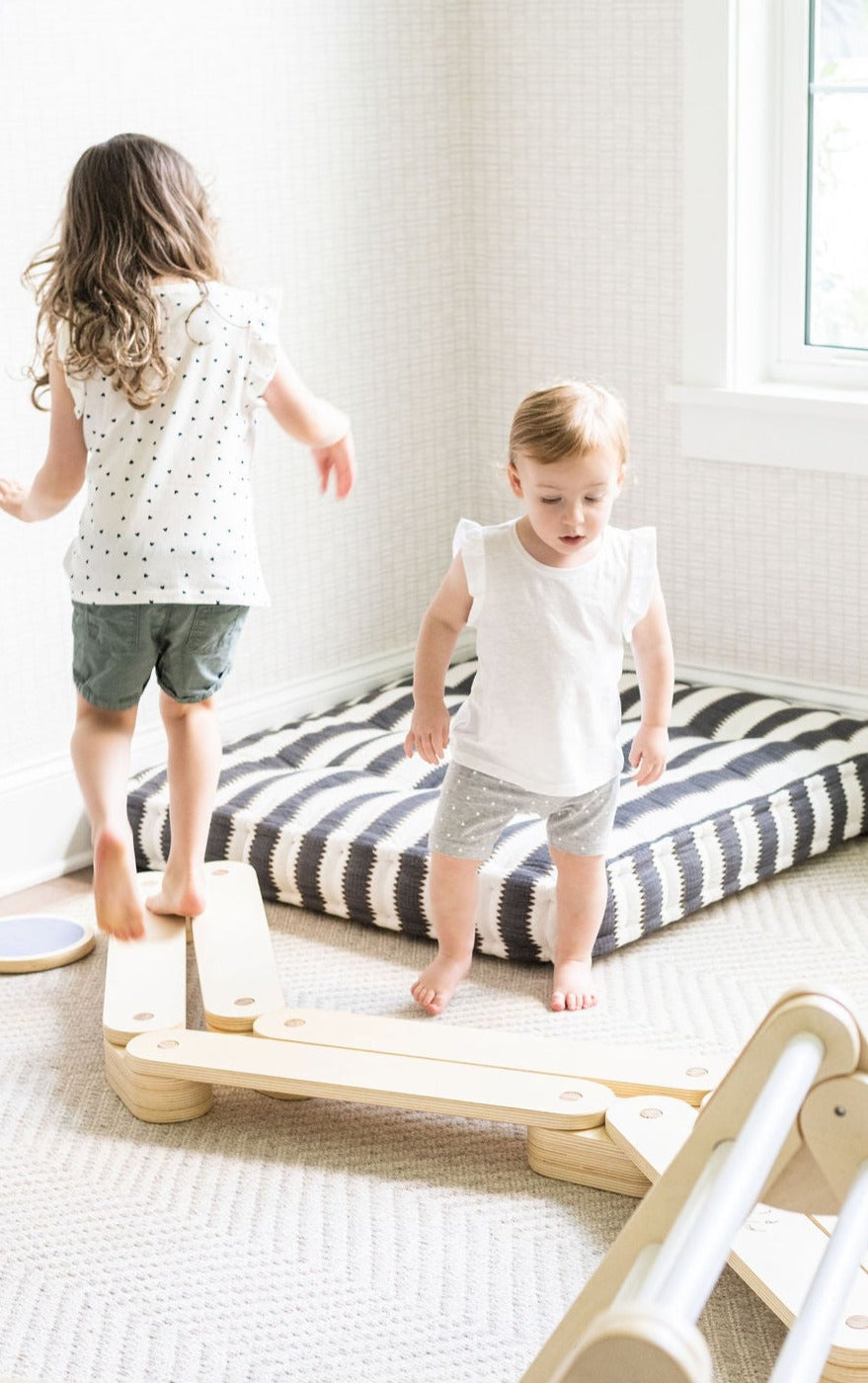
A balance beam for kids is more than a simple toy. It’s an essential piece of equipment for kids that encourages skill-building, active play, and confidence. Whether it’s a wood core beam, a foam pad, or a folding balance beam, this tool helps children develop balance, coordination, and motor skills while enjoying fun exploration.

Parents searching for safe and durable ways to support indoor and outdoor play will find that a balance beam provides the perfect mix of learning and fun.

Why Balance Matters in Early Play

Balance is one of the most important foundations for physical development. The benefits of balance beams go beyond walking in a straight line, they build strength, focus, and concentration. For toddlers and younger kids, stepping onto a beam encourages them to adjust, climb, and stabilize, which supports growth in both motor skills and confidence.

Types of Balance Beams for Kids

There is a wide variety of balance equipment available today. Parents can choose from floor beams for safety, a foldable gymnastics balance beam for easy storage, or even a step balance beam for kids designed with beginners in mind.

  • Wood beams: Solid wood options are well made, sturdy, and long-lasting.
  • Foam beams: Lighter, softer beams with high-density EVA provide resilience and comfort while maximizing durability.
  • Suede cover beams: A suede finish creates a smooth, grippy texture for better footing.
  • Adjustable balance beam: Beams that allow height changes for intermediate or advanced practice.

This variety makes it easier for families to find the right option for their child’s needs, whether it’s a toy for younger children or equipment suitable for home training.

Building Skills Through Practice

Balance beams offer a structured way to practice essential skills. Kids can walk across, jump, attempt tumbles, or even explore walkovers as they grow. Each activity builds skill, stability, and athletic movement.

For children interested in gymnastics, a gymnastics balance beam at home allows them to practice safely outside of the gym. The beam provides space for repetition, which is key to improving coordination and learning new movements.

Comfort, Safety, and Durability

Parents value equipment that is durable yet comfortable. Many beams combine a solid wood core with EVA to provide cushioning, or a suede cover that delivers comfort while maximizing durability. These features help ensure the beam is safe for kids to play while still being strong enough for consistent practice.

  • Sturdy design prevents wobbling.
  • Foam pads or mats under beams add stability and protection.
  • Lightweight beams are easy to store and move between rooms.
  • Options with vibrant colors or natural finishes make them suitable for any playroom or living room.

With customer reviews often highlighting resilience and safety, parents can feel confident that the balance beam is built for years of exploration.

Active Play Indoors and Outdoors

A balance beam is versatile enough to fit any environment. It works for indoor use in a living room, playroom, or small apartment, and many models are easy to take outside for backyard fun. Adding a beam to a sensory or motor skills setup alongside stepping stones encourages younger children to move in new ways, supporting exploration and concentration.

Home Training for Aspiring Gymnasts

For kids who dream of becoming a gymnast, practice at home is essential. A folding balance beam or foldable gymnastics balance beam allows safe training without needing a full gym setup. Parents can create a home gym environment with mats, foam beams, and even adjustable balance beams to keep practice fun and varied.

This setup supports beginners, intermediate learners, and even older kids looking to refine balance and coordination skills. The ability to assemble and fold beams makes home training realistic and manageable.

Choosing the Right Balance Beam

When looking for the right beam, parents should consider:

  • Width: A wider base provides stability for younger kids.
  • Texture: A suede cover or foam surface improves grip.
  • Stability: A sturdy board design keeps beams from tipping.
  • Transport: Lightweight and easy to take beams are best for moving between rooms or taking outdoors.
  • Storage: Folding balance beams or foldable gymnastics balance beams are easy to store when not in use.

Reading customer reviews and checking detailed product information helps families find beams that are suitable for their children’s age and needs. Good customer service also ensures questions are answered and families can feel confident in their purchase.

Explore Balance and Joy with Poppyseed Play

At Poppyseed Play, we design toys that support balance, imagination, and calm. Our balance beam for kids is crafted with solid wood, suede, and high-density EVA for resilience and comfort. Minimalist in style yet versatile in function, our beam provides the space for children to build balance and coordination, grow their skills, and enjoy active play every day.

We believe:

  • Kids are meant to move.
  • Toys are meant to last.
  • Family rooms are meant to be shared.
  • Parenthood is meant to be beautiful (at least sometimes!).

From teethers to play gyms, and from balance beams to thoughtfully designed equipment for kids, we create playthings that are safe, non-toxic, and well made. With free shipping over $50, a one-year warranty, and modern designs that fit right into your home, you can trust Poppyseed Play to deliver.

Poppyseed Play

https://poppyseedplay.com/

Read MoreRead More